

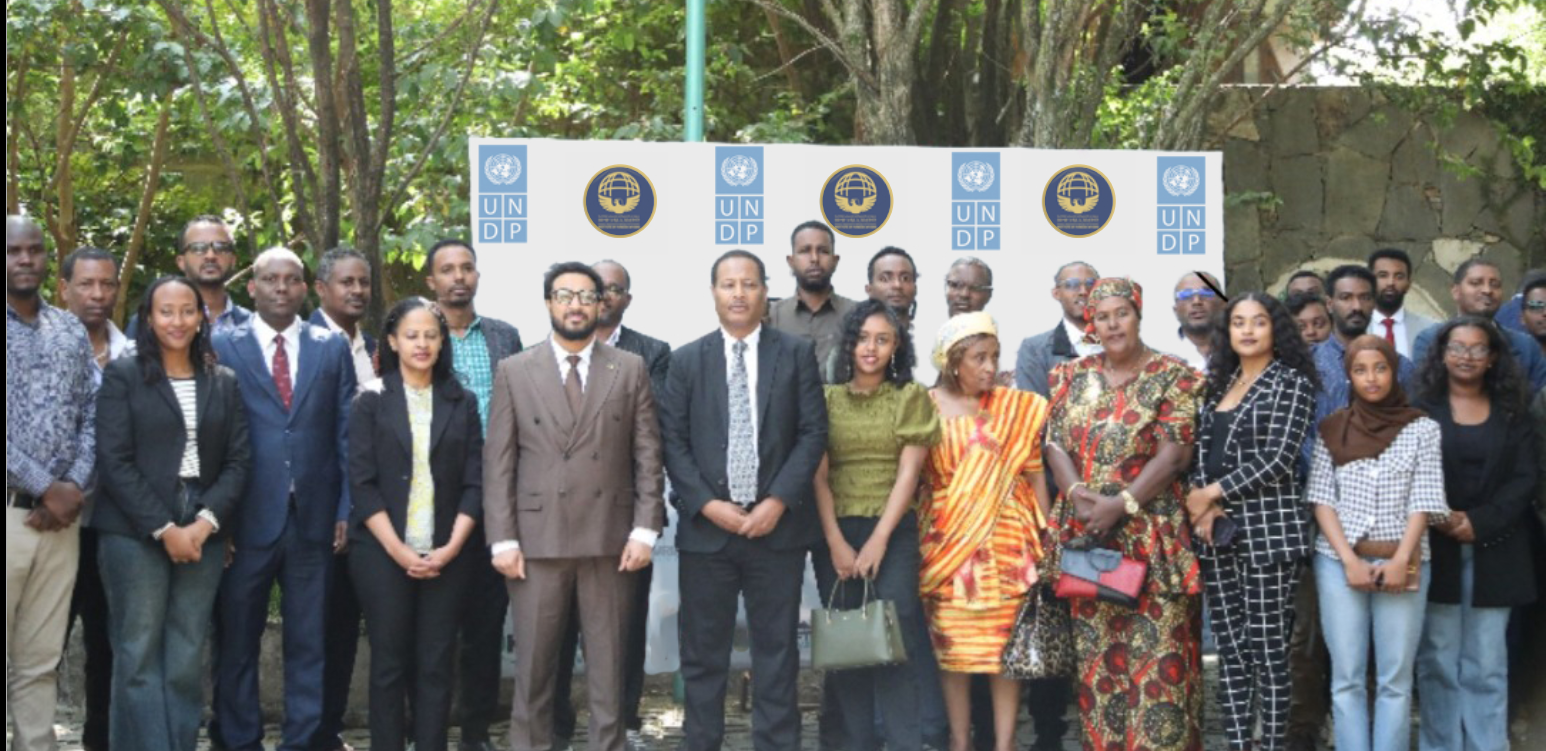
Ethiopia continues to assert its pivotal role in advancing African trade integration through the African Continental Free Trade Area (#AfCFTA). A key session on AfCFTA Implementation and Readiness took place at Kuriftu Resort, Bishoftu, bringing together regional and international experts to discuss strategies for deepening continental trade and economic cooperation.
𝐇.𝐄. 𝐌𝐫. 𝐓𝐚𝐠𝐞𝐬 𝐌𝐮𝐥𝐮𝐠𝐞𝐭𝐚, Head of International and Regional Trade Integration at Motri, provided a comprehensive overview linking AfCFTA’s foundation to the 1963 vision of the Organization of African Unity (OAU), emphasizing its focus on decolonization, African unity, and regional economic integration. He highlighted the Abuja Treaty as a cornerstone roadmap toward establishing a continental economic community.
H.E. Mr. Tages underscored AfCFTA’s transformative objectives: creating a single African market for goods and services, eliminating tariff and non-tariff barriers, and promoting the free movement of capital and people. He also stressed the agreement’s role in driving industrialization, economic diversification, and shared prosperity across the continent.
Ethiopia’s strategic position as a founding member was highlighted, with emphasis on its market size, growing economy, and pursuit of equitable access to the Red Sea, crucial for trade efficiency, economic sovereignty, and regional stability.
The session brought together ambassadors and diplomats from Ghana, Kenya, Algeria, and Morocco, reflecting Africa’s strong commitment to collaboration and shared prosperity. H.E. Ambassador General Bacha Debele and H.E. Ambassador Legesse . joined virtually, offering valuable insights on Ethiopia’s diplomatic engagement and its proactive role in advancing AfCFTA objectives through economic diplomacy. This diverse representation not only underscored Ethiopia’s influence in continental trade but also highlighted the importance of shared dialogue and partnership in achieving Africa-wide economic integration. The discussions emphasized that economic diplomacy and strategic coordination among member states are essential to fully realize AfCFTA’s potential.
H.E Mr. Mulugeta Getu, Lead Researcher at the FDRE Policy Studies Institute (PSI), highlighted the background and objectives of the AfCFTA, explaining that Africa, though a vast market, remains fragmented. The Agreement aims to create a single African market uniting 1.5 billion people across 55 countries with a combined GDP of 3.4 trillion USD, promoting transparency, accountability, and good governance in trade while potentially increasing intra-African trade by 45%.
He noted that Ethiopia identified priority export sectors through stakeholder consultations, focusing on business and service industries. To enhance trade readiness and awareness, the Ethiopian Mission has organized forums and workshops with the diaspora, investors, and partners, promoting the national trade agenda and strengthening the competitiveness of Ethiopian products in the continental market.
Speaking from Accra, H.E. Mr. Million Habtamu, Coordinator of Implementation at the AfCFTA Secretariat, elaborated on coordination and legal frameworks necessary for effective AfCFTA implementation. He highlighted key objectives, including deepening continental integration, promoting industrialization and participation in value chains, reducing intra-African trade costs and barriers, and strengthening regulatory frameworks to support industrial growth.
These measures collectively aim to enhance Ethiopia’s regulatory, operational, and productive capacities, positioning the country as a hub for trade intelligence, local industry promotion, and continental economic transformation. By championing AfCFTA objectives, Ethiopia continues to demonstrate leadership in advancing African trade, industrialization, and sustainable economic development.
AfCFTA #Ethiopia #TradeIntegration #RegionalCooperation #IFA