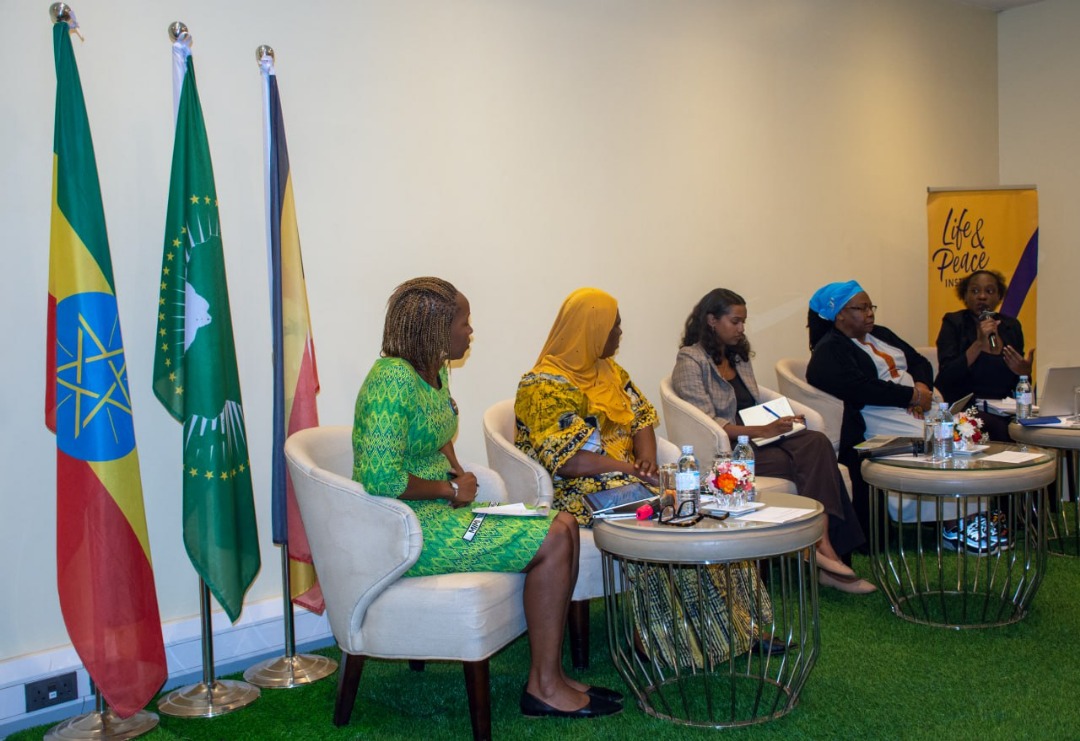
𝐇𝐢𝐠𝐡𝐥𝐢𝐠𝐡𝐭 𝐓𝐡𝐞𝐦𝐞: 𝐍𝐚𝐯𝐢𝐠𝐚𝐭𝐢𝐧𝐠 𝐏𝐞𝐚𝐜𝐞𝐤𝐞𝐞𝐩𝐢𝐧𝐠 𝐎𝐩𝐞𝐫𝐚𝐭𝐢𝐨𝐧𝐬 𝐰𝐢𝐭𝐡 𝐚𝐧 𝐀𝐟𝐫𝐢𝐜𝐚𝐧 𝐑𝐞𝐚𝐥𝐢𝐭𝐲: 𝐋𝐨𝐨𝐤𝐢𝐧𝐠 𝐁𝐞𝐲𝐨𝐧𝐝 𝟐𝟎𝟐𝟓 𝐏𝐚𝐧𝐞𝐥 𝐈𝐕: 𝐇𝐨𝐬𝐭 𝐍𝐚𝐭𝐢𝐨𝐧, 𝐋𝐨𝐜𝐚𝐥 𝐎𝐰𝐧𝐞𝐫𝐬𝐡𝐢𝐩 & 𝐂𝐨𝐦𝐦𝐮𝐧𝐢𝐭𝐲 𝐄𝐧𝐠𝐚𝐠𝐞𝐦𝐞𝐧𝐭 𝐢𝐧 𝐏𝐞𝐚𝐜𝐞𝐤𝐞𝐞𝐩𝐢𝐧𝐠 𝐎𝐩𝐞𝐫𝐚𝐭𝐢𝐨𝐧𝐬
Speaking on the panel, seasoned peacebuilding practitioner Stella Sabiiti underscored the centrality of local communities in any successful peacekeeping mission.
Sabiiti, who has served as UN Women Advisor to the African Union in establishing FemWise-Africa and the Positive Masculinity initiative and previously led efforts to operationalize the African Peace and Security Architecture (APSA), told participants that “peace always precedes violence” and that African communities have long-held visions of governance, justice, and livelihood.
She argued that peacekeeping mandates must fully embed these local realities to create sustainable exit strategies, stressing the importance of strong military–police–civilian cohesion.
Drawing on African tradition, Sabiiti reminded the audience that “before conflict, African communities resolve disputes under trees — through dialogue, reciprocity, and shared harmony.”
Her core message to the gathering was clear: “Local ownership is not an option; it is the heart of effective peace operations.”