

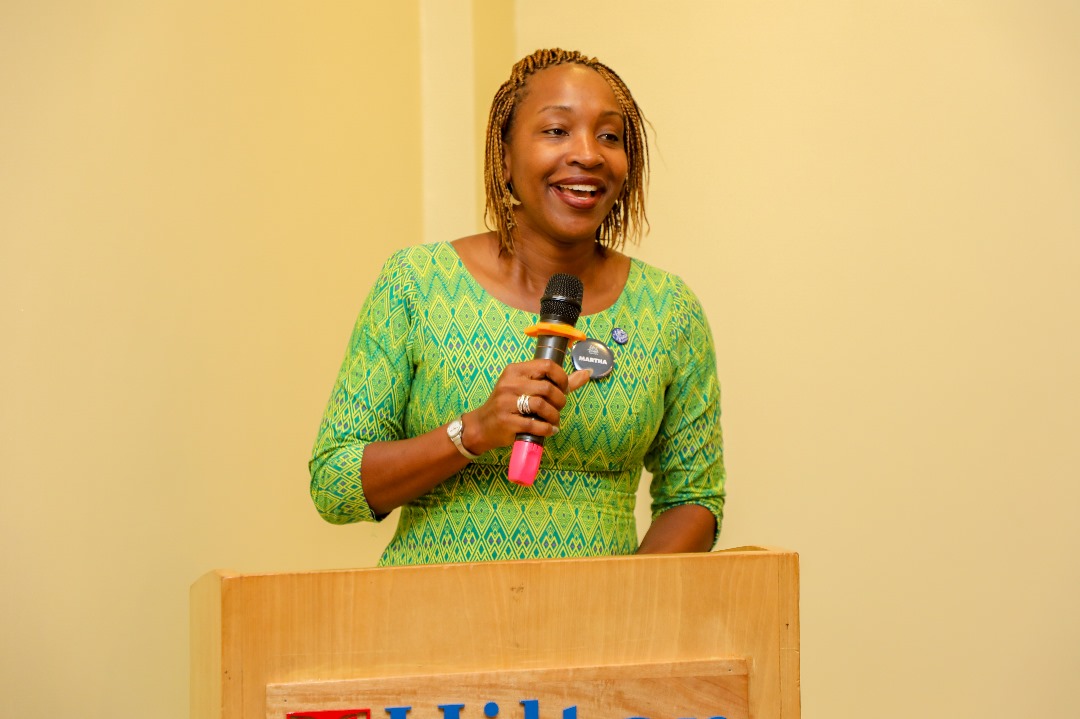
Speaking at the close of the Fourth Horn Dialogue Series (December 1–2, 2025), Martha Kiiza Bakwesegha stressed the critical need for host nation, local ownership, and community engagement in peacekeeping operations. Her remarks set the stage for a discussion on integrating local actors into the peace support framework.
The first day of the dialogue focused on “Peacekeeping in a Changing Global Order,” with deliberations concluding that the success of operations hinges on the host nation’s role. Bakwesegha highlighted the consensus on amplifying collective voices and the need to align peacekeeping with new trends, including AI and technology. Crucially, she emphasized that peacekeeping and peacebuilding must occur simultaneously, arguing that this approach directly involves local communities—the “custodians of the peace we intend to keep!” The session on financing reinforced the call for “African solutions for African problems with African money and Africa leadership.”
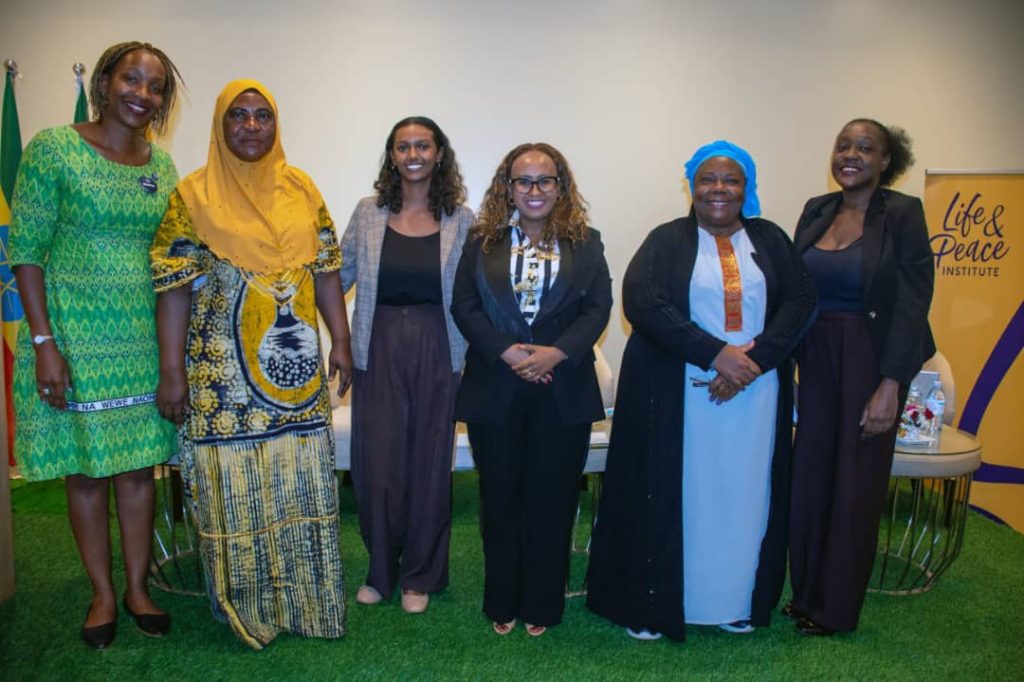
Martha introduced the final session’s theme, aiming to define how local communities fit into the peace architecture. She noted that sustaining peace requires a multi-dimensional approach, including transitional justice, reconciliation, and community dialogue. Defining a “people-centered” operation, she warned that excluding local stakeholders risks operations being viewed as externally imposed, thus compromising sustainability.
Martha moderated a panel featuring:
• Helga Atiang Akao (Restore Dialogue Uganda): Expert in community-centered peace initiatives.
• Stella Mystica Sabiiti (Mediator/Adviser): Veteran peacebuilder, instrumental in establishing the AU’s FemWise-Africa network.
• Edomgenet Kebere (Advocacy Center for Democracy and Development): Focuses on including vulnerable groups in national dialogue and transitional justice in Ethiopia.
• Mariam Babu (Cross-Border Trader/Chairperson): Advocate for women’s economic empowerment and cross-border trade networks.