

A Forum Beyond Ceremony
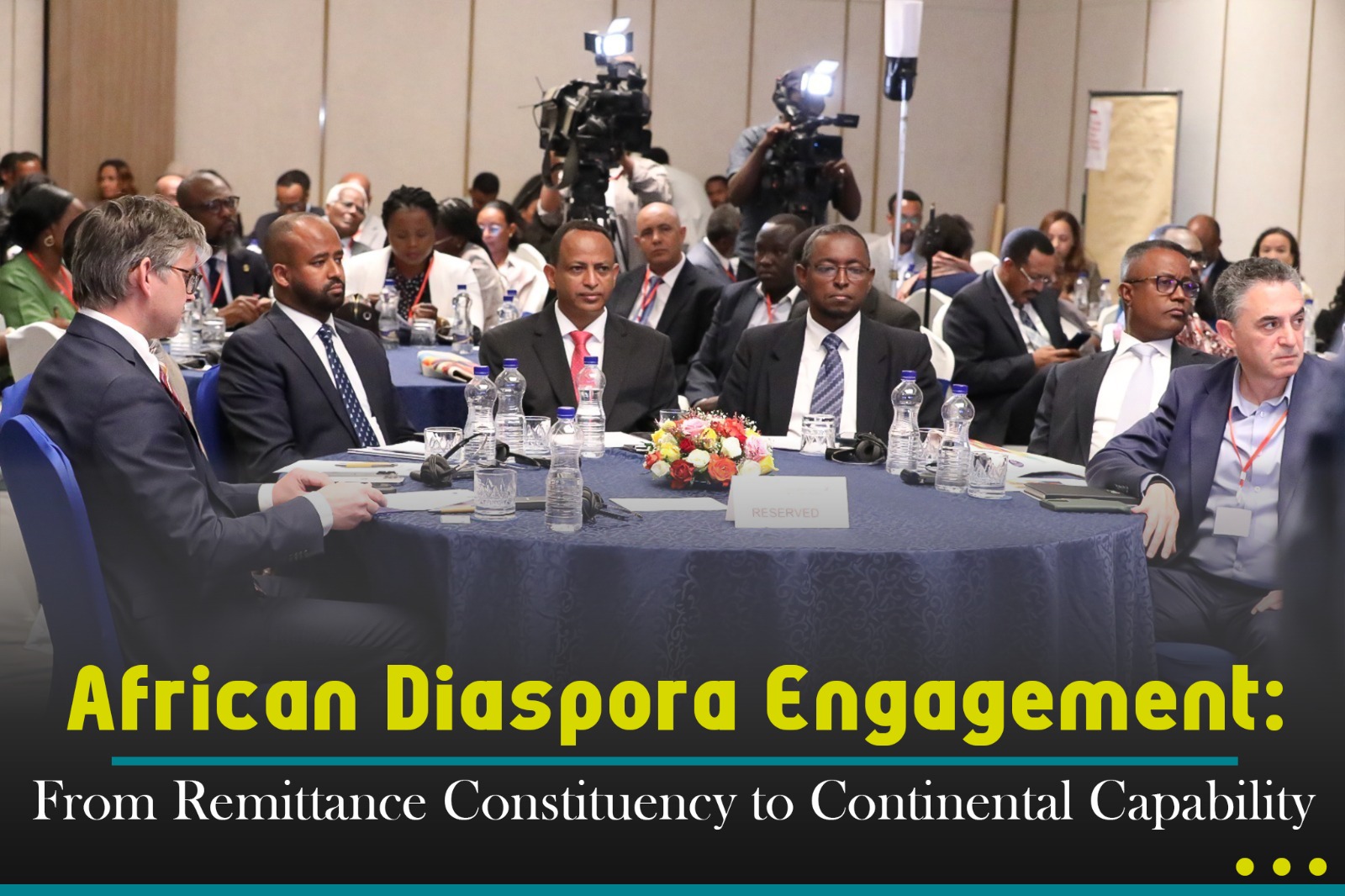
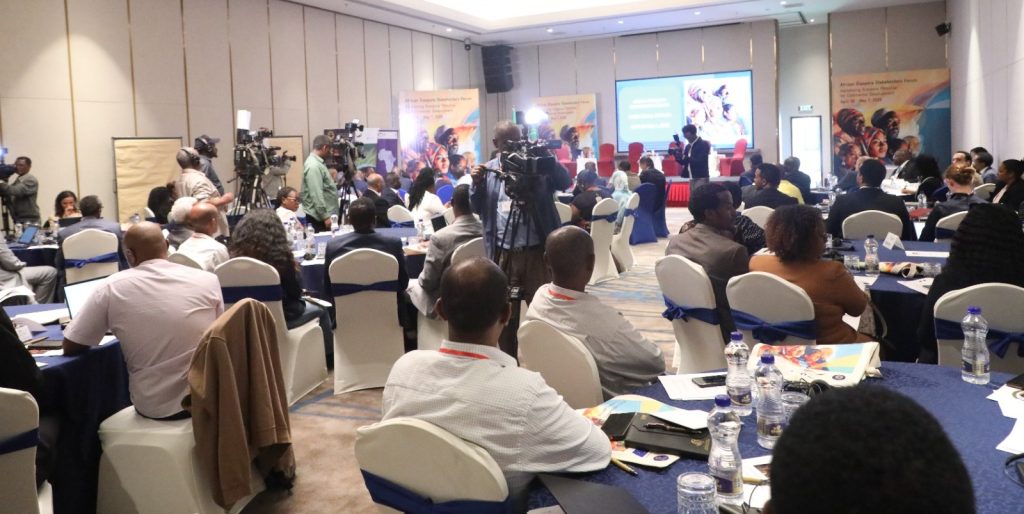
The African Diaspora Stakeholders’ Forum convened in Addis Ababa on April 30, 2026, under the theme of harnessing diaspora potential for continental development and integration. Organized by GIZ on behalf of the German government, the Institute of Foreign Affairs, and the Ethiopian Diaspora Service, the gathering reflected a shift in how African states conceptualize their populations abroad. It was not simply a consultation on expatriate contribution; it marked a recalibration—from viewing the diaspora as remittance senders to recognizing them as carriers of capital, expertise, networks, and diplomatic leverage.
This shift points to a deeper transformation in Africa’s development architecture. For decades, diaspora policy has centered on remittances, patriotic mobilization, and symbolic attachment. While economically significant—remittance flows to low- and middle-income countries reached an estimated $685 billion in 2024, with Sub-Saharan Africa receiving roughly $56 billion—this model is strategically incomplete.[1] It reduces the diaspora to a financial conduit, overlooking a broader ecosystem of influence and capability.
From Recognition to Architecture
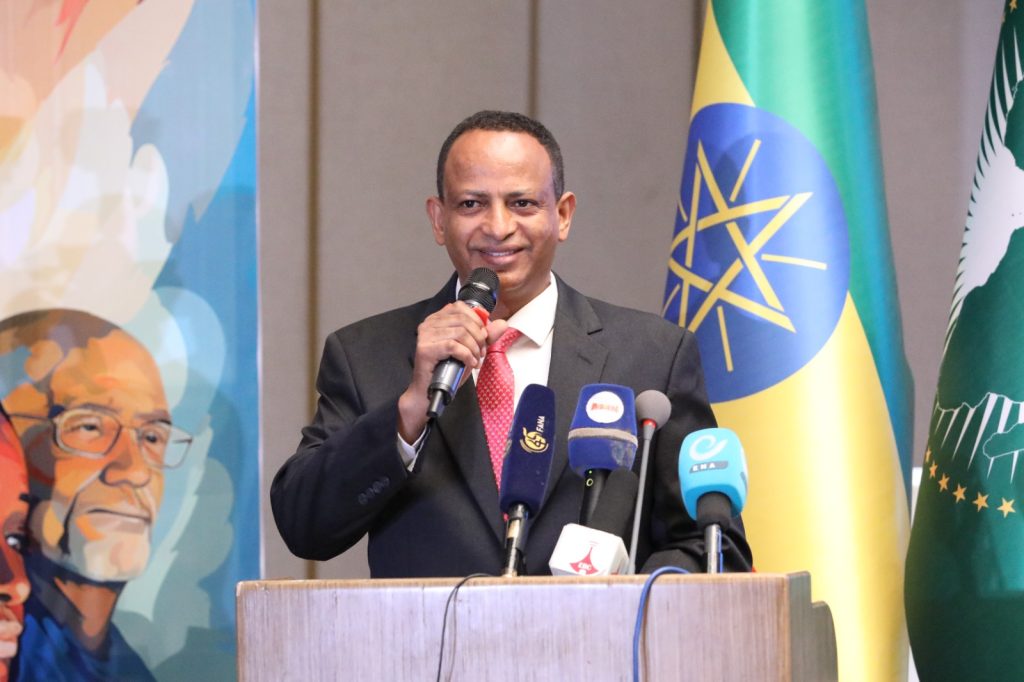
The African Union has long recognized the diaspora as part of the continental project, defining it as people of African origin abroad willing to contribute to development and integration.[2] This definition established political legitimacy, but not operational capacity. Recognition has not been matched by institutional architecture capable of translating dispersed communities into coordinated continental leverage.
That gap is becoming increasingly untenable. Migration now functions as a durable infrastructure of globalization, embedding African populations within global labor markets, universities, investment systems, and policy environments. Remittance growth—from $128 billion in 2000 to over $800 billion in 2022—signals not only financial expansion but structural integration.[3] The question is no longer whether Africa has a diaspora, but whether it can convert that dispersion into strategic capability.

The Rise of Diaspora Statecraft
What is emerging is best understood as diaspora statecraft: the deliberate use of transnational communities as instruments of development diplomacy, investment coordination, knowledge transfer, and global influence. This reframing moves diaspora engagement beyond sentiment and into the domain of state capacity.
Diaspora communities carry multiple forms of capital. Financial capital extends beyond remittances to include investment, diaspora bonds, and business networks. Human capital includes expertise across sectors such as medicine, engineering, finance, and technology. Diplomatic capital manifests in narrative shaping, policy influence, and bridge-building between African governments and external institutions. Institutional capital—often overlooked—includes familiarity with regulatory systems, standards, and professional ecosystems essential to industrialization.
Seen through this lens, diaspora engagement becomes a governance question. It intersects with trade, industrial policy, digital transformation, and diplomacy. Managed narrowly, it remains fragmented. Managed strategically, it becomes a critical instrument for navigating a competitive global order.
Addis Ababa as a Policy Gateway
The Addis Ababa setting amplifies this agenda. As the diplomatic capital of Africa—hosting the African Union and a dense network of embassies and regional institutions—the city possesses a unique convening advantage. This allows Ethiopia to position diaspora engagement not merely as a national priority, but as a continental policy agenda.
Ethiopia’s own trajectory reflects this orientation. Its foreign policy increasingly emphasizes citizen-centered diplomacy, regional integration, and digital transformation, with diaspora communities playing visible roles in investment, public diplomacy, and national projects. Yet Addis Ababa’s significance extends beyond national policy. Its institutional positioning enables it to shape continental frameworks, host recurring dialogues, and link diaspora engagement to AU and regional processes.
The composition of the Forum’s organizers reflects this emerging architecture. Development partners, policy research institutions, and state agencies each contribute distinct capacities—financing, analysis, and administrative execution. Diaspora engagement, by necessity, is multi-institutional.

The Structural Gaps
Despite growing momentum, Africa’s diaspora architecture remains underdeveloped. The first gap is definitional. The AU’s broad definition ensures inclusivity but lacks operational precision. Effective policy requires differentiation: investors, professionals, second-generation communities, entrepreneurs, and knowledge networks each require tailored engagement strategies.
The second gap is trust. While willingness to engage remains high, it is often undermined by opaque procedures, weak investment protections, inconsistent communication, and politicized engagement. Trust depends on predictable systems, transparent rules, and credible dispute resolution.
The third gap is fragmentation. National diaspora policies vary widely in citizenship rules, incentives, and administrative capacity. This divergence limits the diaspora’s continental role and constrains integration efforts.
Diaspora and Continental Integration
Africa’s long-term development frameworks already point toward a solution. Agenda 2063 envisions a continent driven by its own citizens, while the African Continental Free Trade Area (AfCFTA) aims to deepen economic integration.[4][5] Diaspora engagement should be embedded within this architecture, not treated as a parallel track.
Diaspora investors can support regional value chains, particularly in sectors requiring patient capital and technological transfer. Professionals can help firms meet global standards and navigate external markets. Academic networks can strengthen research, training, and regulatory systems. Advocacy networks can shape external policy debates on trade, migration, and climate finance.
In this sense, the diaspora functions as a corridor of institutional knowledge—linking African economies to global systems. This is particularly relevant in regions like the Horn of Africa, where migration, conflict, and economic interdependence intersect. Diaspora communities are not passive actors; they influence narratives, finance recovery, and shape political dynamics.
Toward a Continental Diaspora Architecture
What Africa requires is not additional symbolic recognition, but a calibrated architecture for diaspora statecraft. At the continental level, the African Union must refine its framework into operational categories while preserving inclusivity. National governments should establish credible one-stop diaspora service systems—clarifying investment procedures, taxation, licensing, and dispute resolution. Regional bodies should integrate diaspora engagement into trade, skills mobility, and peacebuilding frameworks.
Ethiopia can play a catalytic role. By institutionalizing diaspora dialogue as a recurring continental platform—supported by research, sectoral mapping, and follow-up mechanisms—it can transform episodic forums into sustained policy processes. The key variable is continuity. Without it, diaspora engagement remains ceremonial. With it, it becomes an instrument of coordination and capability.
Africa’s diaspora will not become a strategic asset through sentiment alone. It will do so through architecture, trust, and disciplined institutional follow-through.
Footnotes
[1] World Bank, “In 2024, Remittance Flows to Low- and Middle-Income Countries Are Expected to Reach $685 Billion,” People Move Blog, December 2024.
[2] African Union, Diaspora Division, definition of the African Diaspora and related AU diaspora framework.
[3] International Organization for Migration, World Migration Report 2024, Chapter 2.
[4] African Union Commission, Agenda 2063: The Africa We Want.
[5] African Union, African Continental Free Trade Area (AfCFTA) Framework.

By Beminet Alemayehu, IFA
Disclaimer:
The content disseminated by the Institute of Foreign Affairs (IFA) – including, but not limited to, publications, public statements, events, media appearances, and digital communications – reflects the views of individual contributors and does not necessarily represent the official positions or policies of the Institute, its partners, or any affiliated governmental or non-governmental entities.
While the IFA endeavors to ensure the accuracy, integrity, and timeliness of the information presented, it makes no representations or warranties, express or implied, regarding the completeness, reliability, or suitability of such content for any purpose. The Institute expressly disclaims any liability for errors or omissions, as well as for any actions taken or decisions made based on the information provided.
The inclusion of external links, references, or third-party resources does not constitute an endorsement by the Institute. Additionally, engagement on social media platforms – including, but not limited to, likes, shares, retweets (RTs), or reposts – shall not be interpreted as an endorsement or validation of the views expressed therein.
Readers and audiences are encouraged to exercise critical judgment and seek independent verification when interpreting or relying upon any information disseminated through publications and posts on the Institute’s platforms or representatives.