

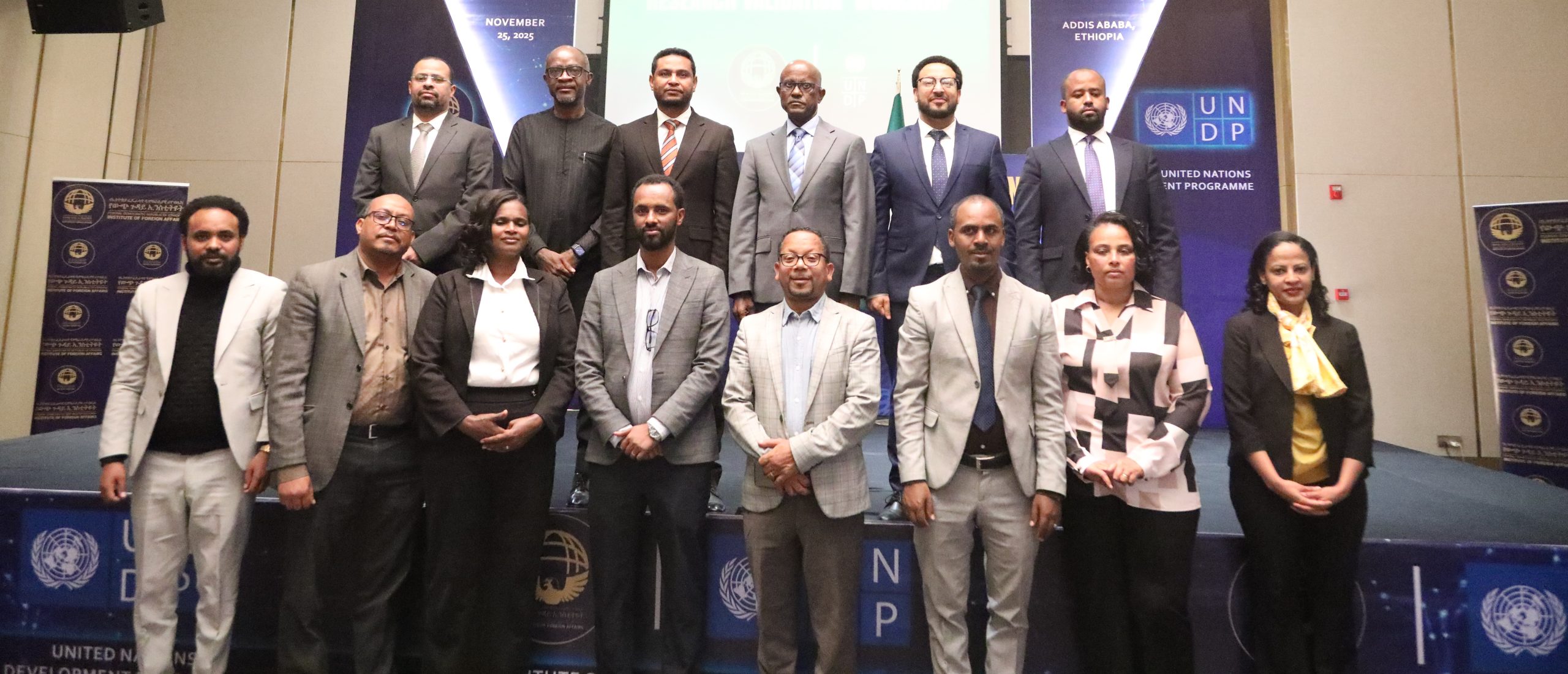
Ethiopia has launched a comprehensive national study assessing the country’s preparedness for the full implementation of the African Continental Free Trade Area (AfCFTA), with a strong focus on boosting the competitiveness of small and medium enterprises (SMEs).
The research validation program, held today at Skylight Hotel, was organized by the Institute of Foreign Affairs (IFA) in collaboration with UNDP Ethiopia, which also financed the project.
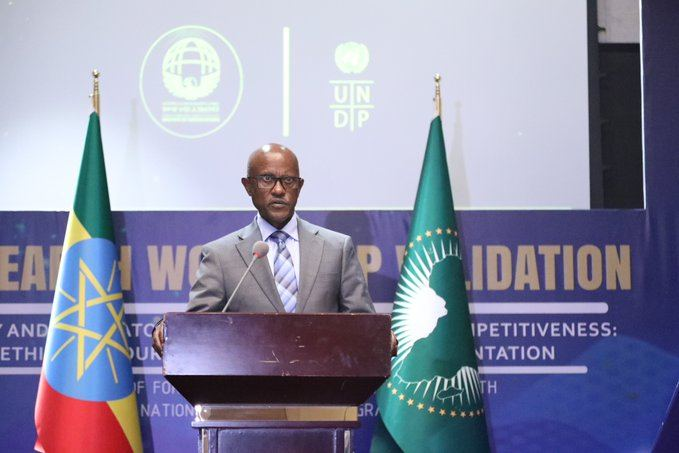
Opening the event, H.E. Jafar Bedru, Executive Director of IFA, emphasized that Ethiopia’s AfCFTA agenda “stands at the center of our economic transformation and our broader regional integration ambitions.” He underscored that AfCFTA readiness cannot be achieved by any single institution, noting: “Readiness for AfCFTA implementation is not the task of one ministry, one institution, or one sector. It requires collective engagement from policymakers, researchers, practitioners, and partners.”
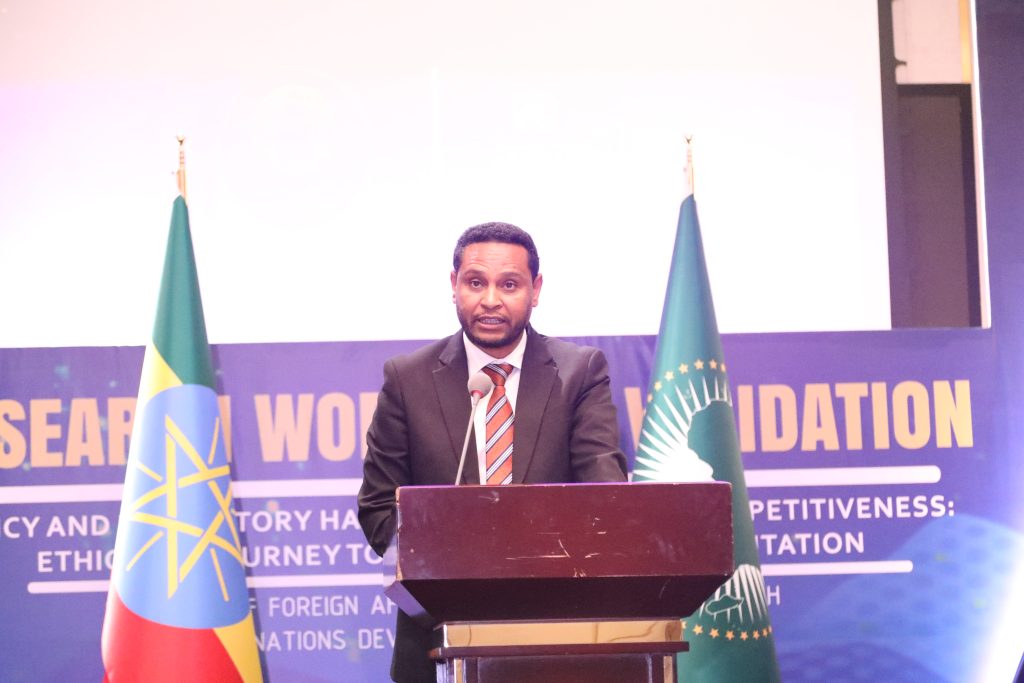
Jafar highlighted the structural constraints facing African economies—ranging from fragmented customs systems to weak transport corridors—and noted that Ethiopia faces these challenges with additional regional complexities. “These realities demonstrate why a systematic readiness assessment is essential,” he said, stressing the need for evidence-based strategies, stronger institutional capacity, and better inter-ministerial coordination.
He further praised the role of Ethiopia’s key ministries and UNDP Ethiopia, stating: “UNDP’s technical support, policy insight, and financial contributions have been essential, strengthening both the depth of our analysis and the practicality of our recommendations.” Jafar concluded by describing the study as “both a mirror and a map” to guide Ethiopia toward measurable AfCFTA preparedness.
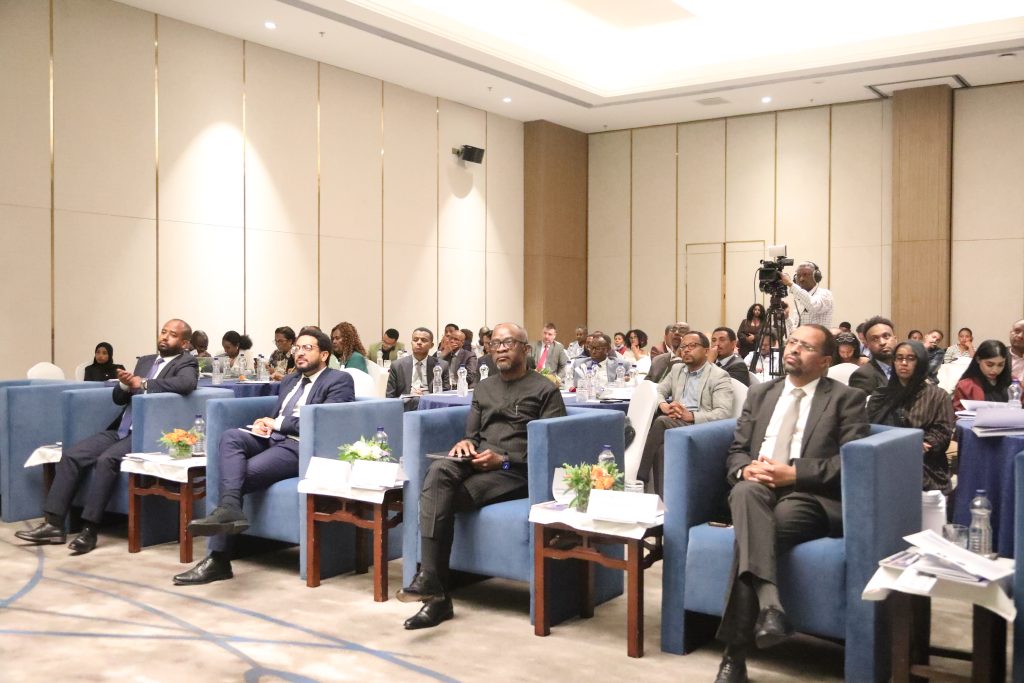
In his remarks, Dr. Samuel G. Doe, UNDP Resident Representative in Ethiopia, reaffirmed the central role of small businesses in Ethiopia’s AfCFTA strategy.
“SMEs are central to Ethiopia’s AfCFTA strategy,” he said. “By harmonising regulations, improving access to finance, building digital skills, and investing in infrastructure, Ethiopia is creating a more inclusive and competitive environment for small businesses to thrive.”
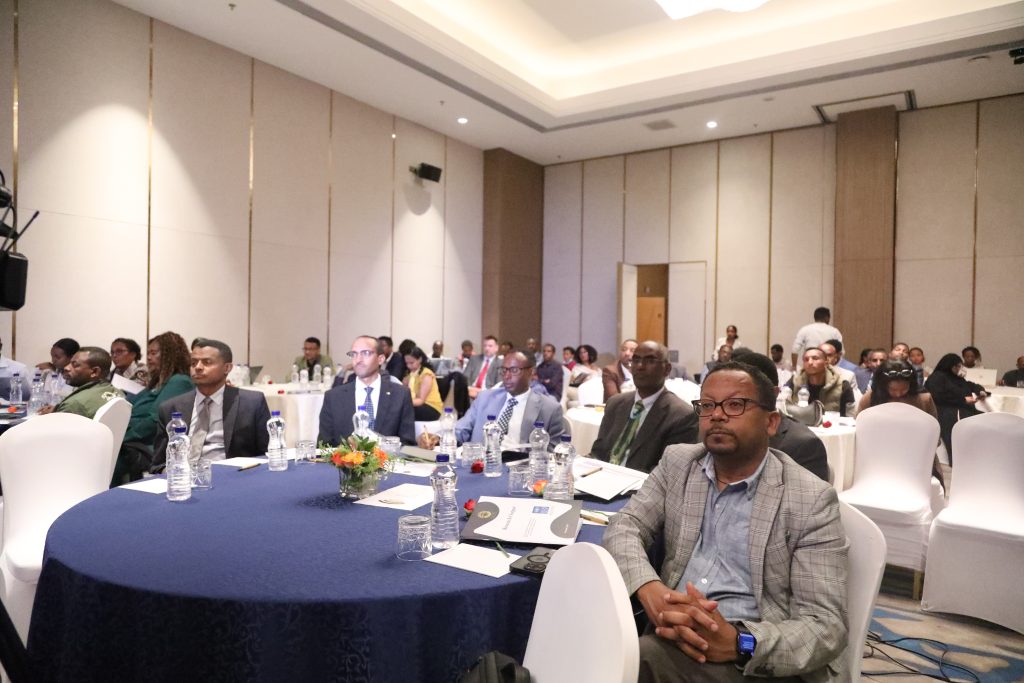
Dr. Abdulhakim Mulu, State Minister for the Ministry of Trade and Regional Integration (MoTRI), praised the collaboration between IFA and UNDP.
“IFA and UNDP, your work has been invaluable in making AfCFTA a reality,” he said.
He stressed that the event signals a major step in Ethiopia’s continental integration:
“This is not an academic gathering; it is a milestone in making AfCFTA feasible across the continent.”
Describing AfCFTA as “Africa’s single market,” he added that the framework “will enable Ethiopia’s SMEs to operate in line with continental standards and best practices,” helping unlock the country’s full economic potential.
H.E. Ambassador Hadera Abera, State Minister of the Ministry of Foreign Affairs, stated that Ethiopia is strengthening SMEcompetitiveness, expanding exports, and deepening regional trade through policy reforms, capacity-building, and tariff implementation.
He noted that evidence-basedinitiatives are enabling businesses to thrive in a moreintegratedAfricanmarket.
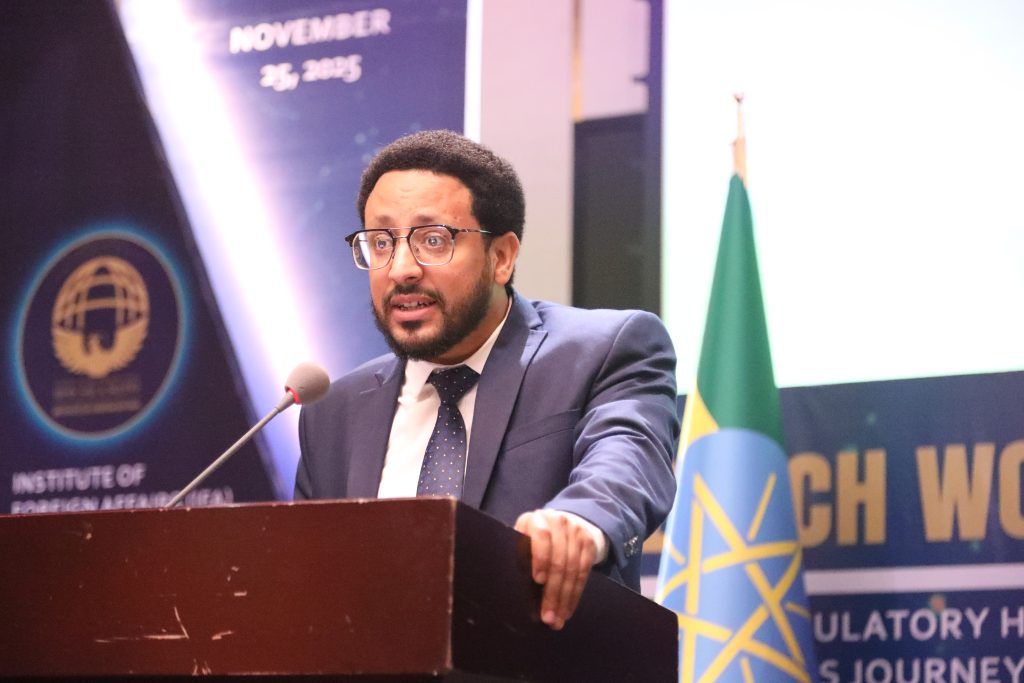
The national study was presented by senior IFA researchers Dr. GashawAyeferam and Dr. HaimanotEshetu. Their UNDP-funded research shows that, despite policy progress, Ethiopia’s SMEs are far from fully prepared.
According to the findings:
Major gaps exist in digital readiness, standards compliance, customs systems, institutional coordination, and SME awareness
Only 11% of SMEs currently trade within Africa
Just 14% are fully ready for AfCFTA
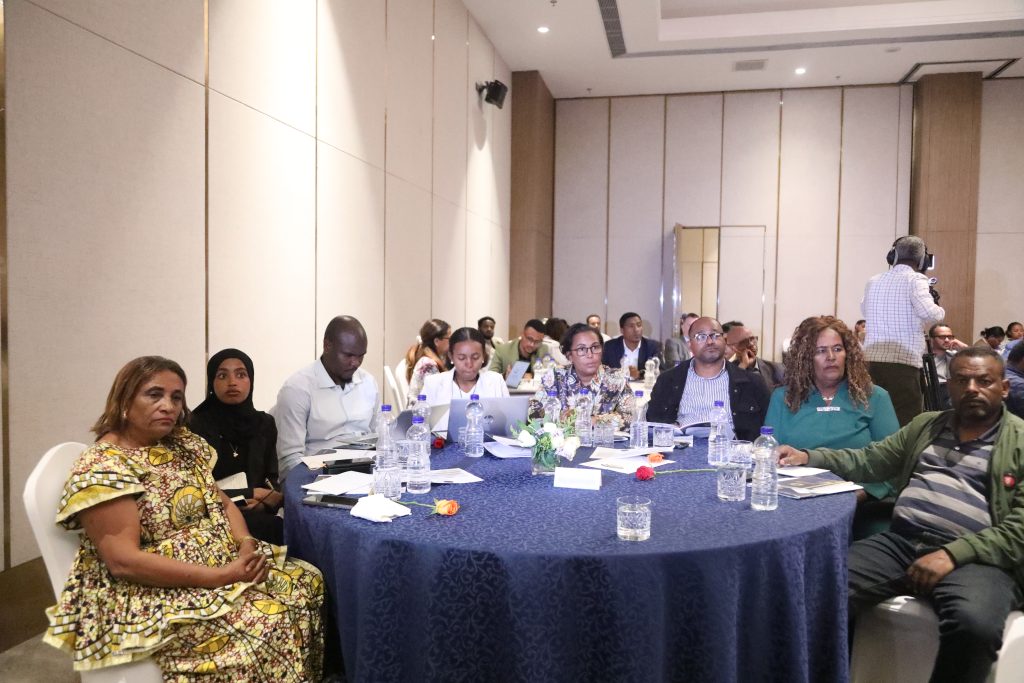
The researchers called for the establishment of a national AfCFTA office, stronger regulatory institutions, streamlined customs processes, SME-focused commercial diplomacy, and expanded capacity-building support from UNDP and development partners.
Delivering the concluding remarks, Gizachew Sisay, Team Leader of the Inclusive Economic Transformation Unit at UNDP Ethiopia, described the study as “a very important contribution” to Ethiopia’s AfCFTA preparedness.
He highlighted Ethiopia’s untapped economic potential, noting that SMEs are responsible for job creation, up to 30% of exports, and represent the backbone of global financial systems. He also stressed that advancing SME competitiveness “is a shared responsibility across government institutions, NGOs, civil society, and stakeholders—not just the Ministry of Foreign Affairs or IFA.”
Gizachew reaffirmed UNDP’s commitment to continue supporting evidence-driven policymaking, institutional strengthening, and SME-focused reforms.
Participants commended the validation event as a crucial step in Ethiopia’s transition from political commitment to practical readiness. The goal is to position the country’s SMEs—and the broader economy—to fully capitalize on the benefits of Africa’s single market.