

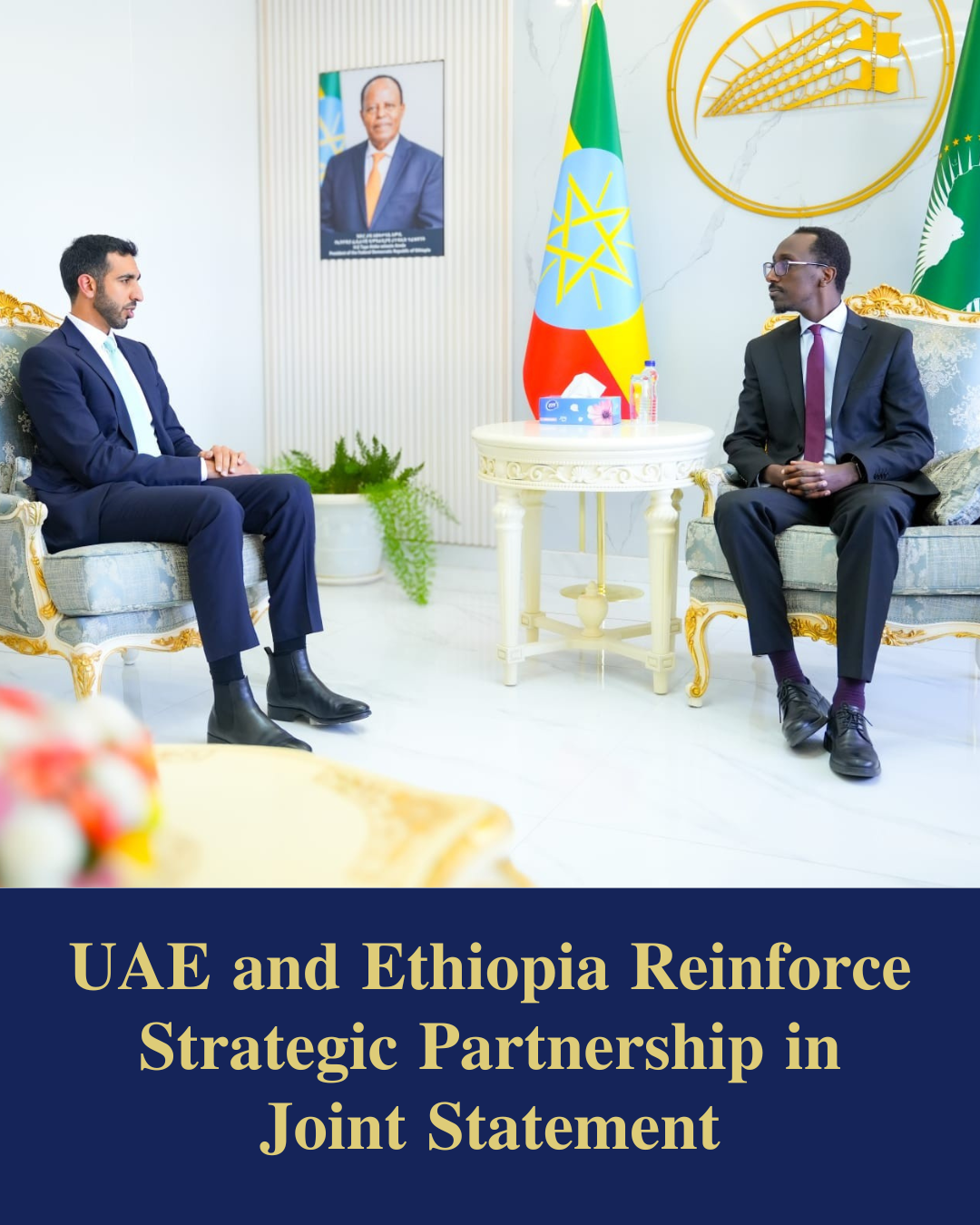
On January 6, 2026, the Federal Democratic Republic of Ethiopia and the United Arab Emirates (UAE) issued a joint ministerial statement that underscores their commitment to enhancing their longstanding strategic partnership. This significant announcement not only highlights the depth of cooperation between the two nations but also addresses pressing regional challenges and opportunities for collaborative initiatives.
Central to the joint statement was the acknowledgment of the escalating humanitarian crisis in Sudan. Both Ethiopia and the UAE expressed deep concern over the plight of the Sudanese people. They reaffirmed their dedication to providing humanitarian assistance and facilitating a coordinated response to the urgent needs on the ground. This commitment reflects the guiding principle of both nations to prioritize human welfare and support efforts aimed at alleviating suffering in conflict-affected areas. Their joint approach seeks to foster stability and peace, not only in Sudan but across the broader Horn of Africa region.
The statement further emphasized the importance of security collaboration between Ethiopia and the UAE. In light of the challenges posed by regional instability, both sides recognized the necessity of transparent communication and joint initiatives to tackle threats to peace and security. They highlighted the role of solidarity in addressing these concerns and reaffirmed their commitment to fostering a safe and secure environment for their citizens and communities. By engaging in ongoing dialogue and enhancing cooperative measures, both nations aim to mitigate risks and promote sustainable peace.
Another critical aspect of the ministerial statement was the commitment to climate action. Ethiopia and the UAE acknowledged the importance of addressing global climate challenges, particularly as they prepare for the COP28 outcomes and the UAE Consensus. They emphasized the need for collaborative efforts to implement environmental initiatives, which are vital for the long-term sustainability of both nations. Additionally, their shared commitment to the upcoming 2026 UN Water Conference illustrates a proactive stance on managing water resources—a critical issue that directly impacts food security and public health.
In summary, the joint ministerial statement serves as a strong foundation for the continued partnership between the UAE and Ethiopia. By addressing humanitarian, security, and climate challenges collaboratively, both nations aim to promote regional stability and development. This commitment reflects their mutual vision of a resilient and prosperous future, reinforcing their roles as key players in addressing regional and global issues.
By @IFA Staff
Disclaimer:
The content disseminated by the Institute of Foreign Affairs (IFA) – including, but not limited to, publications, public statements, events, media appearances, and digital communications – reflects the views of individual contributors and does not necessarily represent the official positions or policies of the Institute, its partners, or any affiliated governmental or non-governmental entities.
While the IFA endeavors to ensure the accuracy, integrity, and timeliness of the information presented, it makes no representations or warranties, express or implied, regarding the completeness, reliability, or suitability of such content for any purpose. The Institute expressly disclaims any liability for errors or omissions, as well as for any actions taken or decisions made based on the information provided.
The inclusion of external links, references, or third-party resources does not constitute an endorsement by the Institute. Additionally, engagement on social media platforms – including, but not limited to, likes, shares, retweets (RTs), or reposts – shall not be interpreted as an endorsement or validation of the views expressed therein.Readers and audiences are encouraged to exercise critical judgment and seek independent verification when interpreting or relying upon any information disseminated through publications and posts on the Institute’s platforms or representatives.