

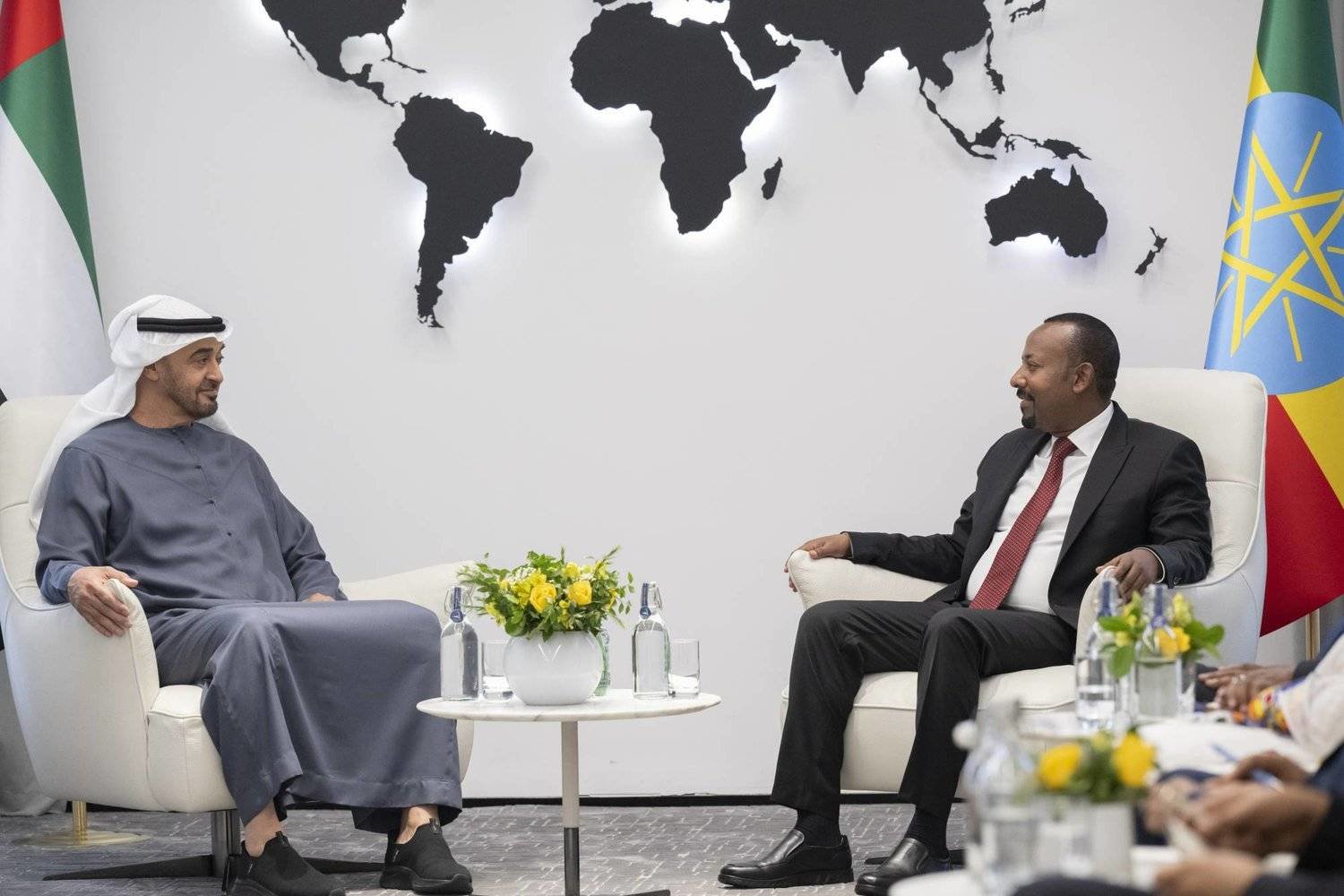
Introduction
The diplomatic relationship between Ethiopia and the United Arab Emirates (UAE) has evolved into a strategic partnership built on shared economic, geopolitical, and cultural interests. Initially limited due to the UAE’s nascent foreign policy post-independence in 1971, bilateral ties have strengthened significantly in the past decade. The post-2018 era, under Ethiopian Prime Minister Abiy Ahmed, marked a turning point, with enhanced cooperation in investment, trade, security, and regional stability. Ethiopia and the UAE have established robust diplomatic and economic ties that have steadily evolved over the years. Despite Ethiopia’s long-standing historical connections with the Arab world, its direct engagement with the UAE only gained significant traction in recent decades. The UAE’s emergence as a global economic powerhouse, coupled with Ethiopia’s developmental ambitions, has fostered a mutually beneficial relationship. The UAE has played a crucial role in Ethiopia’s economic transformation through substantial investments, financial aid, and strategic partnerships in various sectors, including energy, infrastructure, and technology. As both countries continue to pursue their respective economic and geopolitical ambitions, the Ethio-UAE partnership stands as a model for constructive engagement between Africa and the Middle East. The growing collaboration in key sectors, from trade and investment to climate change initiatives, underscores the potential for an even deeper and more dynamic relationship in the coming years (Meester et.al, 2018; Reporter, 2024). .
Key Developments in Ethiopia-UAE Relations
The transformation of Ethiopia-UAE relations is marked by several milestones:
- The UAE’s $3 billion concessional loan and investment in Ethiopia in 2018.
- The UAE’s role in brokering peace between Ethiopia and Eritrea in 2018.
- The signing of 17 agreements in 2023 covering finance, technology, agriculture, and trade.
- Currency swamp agreement signed between ENB and CB of the UAE in 2024
- Initiatives like the “5 Million Ethiopian Coders” program and humanitarian assistance efforts in 2024.
The cooperation extends across diverse sectors, including maritime diplomacy, economic engagement, energy and climate initiatives, public diplomacy, and regional security.
Strategic Areas of Cooperation
1. Maritime /Port Diplomacy
As a landlocked nation, Ethiopia prioritizes securing reliable sea access. This has led to Ethiopia’s increased engagement in port diplomacy, including partnerships for port development. The UAE, a key player in the Red Sea region, has strategic interests in maritime trade routes and port management. Both nations stand to benefit from collaborative port administration, strengthening Ethiopia’s trade capabilities while reinforcing the UAE’s regional maritime presence. Additionally, Ethiopia has been actively seeking alternative port access through various agreements, including partnerships in Somaliland’s Berbera Port and discussions on securing direct sea access. The UAE’s investments in port infrastructure across the region, including in Somaliland, and Somalia, further demonstrate its commitment to maritime expansion. Ethiopia’s strategic positioning in the Horn of Africa makes it an essential partner in the UAE’s broader geopolitical and economic strategy (Mohammed, 2024; Long, 2024).
2. Economic Diplomacy
Ethiopia’s ambition to attract investment aligns with the UAE’s vision of diversifying its economy beyond oil. UAE investments in Ethiopia have surged, reflecting mutual economic interests. Despite Ethiopia’s trade deficit with the UAE, the relationship remains asymmetrical, with Ethiopia benefiting from investments while the UAE gains geopolitical influence. Bilateral trade relations have seen significant growth, with the UAE emerging as one of Ethiopia’s largest non-traditional trading partners. Major UAE companies have invested in Ethiopia’s construction, manufacturing, and tourism sectors. Ethiopia’s efforts to enhance export diversification, including coffee, livestock, and textiles, present further opportunities for trade expansion with the UAE (Mohammed, 2025).
3. Energy and Climate Diplomacy
The UAE’s push for renewable energy aligns with Ethiopia’s untapped hydroelectric, wind, and solar potential. The recent agreement between Ethiopia and Abu Dhabi Future Energy Company (Masdar) for a 2,000 MW photovoltaic project exemplifies this partnership. Additionally, Ethiopia’s Green Legacy Initiative, which aims to plant billions of trees, complements the UAE’s global climate leadership efforts. The UAE’s continued investment in Ethiopia’s energy sector could help expand the Grand Ethiopian Renaissance Dam’s (GERD) regional energy exports. Collaborative projects in solar and wind energy, coupled with green financing initiatives, could further bolster the Ethio-UAE climate partnership, setting a precedent for regional environmental cooperation.
4. Public and Religious Diplomacy
Cultural and religious ties between Ethiopia and the UAE can foster deeper diplomatic engagement. Ethiopia, home to both Christian and Islamic heritage sites, has an opportunity to promote religious tourism, with support from the UAE’s Ministry of Religious Tolerance. The UAE’s allocation of land for an Ethiopian Orthodox Church in Abu Dhabi highlights the potential for cultural diplomacy. Public diplomacy could be enhanced through cultural exchanges, educational programs, and joint initiatives promoting interfaith dialogue. Ethiopia’s unique religious heritage and its historical ties to the Arab world position it as an important player in fostering mutual understanding between Africa and the Middle East (MoFAIC ,2021).
5. Citizen Diplomacy
With over 200 thousand Ethiopians living and working in the UAE, citizen diplomacy plays a crucial role in bilateral relations. Ethiopia seeks to ensure fair labor rights and protections for its citizens, while the UAE benefits from Ethiopian labor contributions in various sectors. Past amnesty programs for Ethiopian migrants underscore the UAE’s willingness to cooperate on labor issues. Enhanced diplomatic engagement could lead to further agreements on labor protections, minimum wage standards, and improved working conditions for Ethiopian workers in the UAE. This would not only benefit Ethiopian migrants but also strengthen the broader socio-economic ties between the two nations.
6. Regional Peace and Security
Both Ethiopia and the UAE prioritize stability in the Horn of Africa. The UAE has played an instrumental role in regional peace, including its mediation in the Ethiopia-Eritrea rapprochement. Ethiopia’s national security concerns in the Red Sea align with the UAE’s interest in securing its maritime trade routes. Joint security cooperation could further enhance regional stability. The UAE’s involvement in counterterrorism efforts, its military presence in the region, and its investments in security infrastructure align with Ethiopia’s national security priorities. Strengthened intelligence-sharing, joint military exercises, and security collaborations could play a pivotal role in enhancing regional peace efforts.
Recommendations for Strengthening the Partnership
To further solidify their strategic alliance, Ethiopia and the UAE should consider the following initiatives:
- Establishment of a Joint Port Administration Commission – A structured body composed of experts from both countries could oversee port-related negotiations and operations, ensuring Ethiopia’s secure access to maritime trade while reinforcing the UAE’s regional economic interests.
- Formation of a Public Diplomacy Commission – Collaborative initiatives between Ethiopia’s Religious Council and the UAE’s Ministry of Religious Tolerance could promote interfaith dialogue, counter extremism, and boost religious tourism.
- Creation of the Ethio-UAE Green Legacy Federation – This initiative could enhance joint efforts in sustainable development, reforestation, and renewable energy, setting a model for Afro-GCC environmental cooperation.
- Enhancement of Trade Agreements and Economic Cooperation – Establishing special economic zones, easing trade barriers, and fostering business-to-business connections could further improve economic ties.
- Expansion of Security and Defense Partnerships – Increased collaboration on counterterrorism, intelligence-sharing, and regional security mechanisms would reinforce stability in the Horn of Africa.
Conclusion
The strategic partnership between Ethiopia and the UAE is set to grow further, driven by their shared economic, geopolitical, and cultural interests. This partnership extends beyond bilateral benefits, contributing to regional stability and economic development. Both countries can enhance their global influence by expanding collaboration in trade, infrastructure, and technology, while their cooperation in maritime security and regional stability will bolster Ethiopia’s strategic position in the Horn of Africa and the UAE’s geopolitical reach. For sustained growth, they must maintain diplomatic engagement, improve trade policies, and pursue joint ventures in sectors like digital technology, green energy, and tourism. Strengthening people-to-people ties and cultural exchanges will solidify their relations at governmental and societal levels. Institutionalizing their cooperation through structured frameworks will ensure a dynamic and mutually beneficial partnership.
References
Long Ding (2024) The Evolving Roles of the Gulf States in the Horn of Africa, Asian Journal of Middle Eastern and Islamic Studies, 18:1, 1-14, DOI: 10.1080/25765949.2024.2340332
Meester, J, Denberg , W and Verhoeven (2018 )The political economy of Gulf investments in the Horn of Africa. CRU Report, Netherland Institute of International Relations(Clingendael). Available at < https://www.clingendael.org/sites/default/files/2018-04/riyal-politik.pdf>
Mohammed Seid Mohammed (20 Apr 2024): The Red Sea Regional Security Complex: The Implications of the Red Sea Forum for Ethiopian National Security, Asian Journal of Middle Eastern and Islamic Studies, DOI: 10.1080/25765949.2024.2343232
MoFAIC (2021). The Ministry of Foreign Affairs and International Cooperation Achievements of the past five decades and the features of a bright future. Available at https://www.mofa.gov.ae/en/mediahub/news/2021/12/1/01-12-2021-uae-50
About the Author
Mohammed Seid (PhD), Senior Researcher at the Institute of Foreign Affairs (IFA).
Disclaimer:-
The opinions stated in this article solely belong to the author and do not reflect the views or positions of the IFA