

As one of the few civilizational states, Ethiopia has had contacts with ancient civilizations through caravan and long-distance commercial activities using the Red Sea coastal access points. It was one of those states engaging in the Red Sea region for a number of strategic reason such as security, commerce and international relations. Due to various domestic, regional and international ruptures, however, Ethiopia’s sovereign access and control of the Red Sea region faded away over the years. Ethiopia has, at least four times, lost and regained access to the Red Sea region. The rise of Islam in the Middle East in the 7th C AD and its subsequent expansion to the Red Sea region, the expansion of the Ottoman Empire and control of the Red Sea in the 17th C. AD, the Italian colonial establishment in Northern Ethiopia, present day Eritrea (1896-1942), and independence of Eritrea in 1993 were some of the factors that left Ethiopia landlocked. Time and again, Ethiopia lost and regained control of the Red Sea illustrates Ethiopia’s past and present undying zeal and ambition to get access to the Red Sea.
While being an economic and military power in the Red Sea region, Ethiopia has been affected by being landlocked. It is one of the fastest growing economies in the world. However, most of the economic dividends are paid to the countries providing access for the transit of goods and services to and from the international market. Currently, over 85% of the nation’s import-export trade activities are dependent on the Djibouti port which in turn demands the payment of rents in cash – one of the highest transit costs in the world. This is keeping other factors such as misappropriation, delayance, constant inspections and monitoring, and mishandling constant. Also, due to lack of storage capacity, Ethiopia is often forced to prioritize import-export items of goods and services. Much of the goods to be exported to the external markets are primary products and seasonal – making the prioritization of goods highly inconsistent. This affects economic development.
Aside from economic development perspectives, there are also strategic reasons related to national security vulnerabilities that the country has suffered from by being landlocked. The Red Sea is one of the most dynamic regions in the world characterized by interstate and intrastate conflicts, hot-bed for external powers rivalries, proxy conflicts and cross-border crimes, piracy and armed robberies and international terrorism. Since Ethiopia is few miles away from the Red Sea coasts, these security developments are highly concerning. Gaining access, therefore, helps identify the national security vulnerabilities and define the types of responses to be taken.
The last loss of Ethiopia’s sovereign access to the Red Sea region was following the independence of Eritrea in 1993. However, the quest of getting access to the sea has been securitized for decades that followed. Discussing or raising issues related to Ethiopia’s access to the sea used to cause mortal danger until the 2018 reforms. The question of getting access to the sea that has been simmering in the background and became public, especially following Prime-Minister Abiy Ahmed’s (PhD) parliamentary speech in October 2023 stating that “Ethiopia needs access to the Red Sea coasts.” This was followed by the signing of a Memorandum of Understanding for port development with the de facto state of Somaliland in January 2024 in return for considering the recognition of Somaliland – which has irritated the surrounding littoral states.
There are several mechanisms in which landlocked states can secure either direct or diversified access to the open sea. These includes, bilateral agreements signed with transit states, building of ports through concessions or land lease with full management and operation rights for a prescribed period, constructing canals or artificial waterways, and connecting all ports and infrastructures through regional corridor projects involving both littoral and non-littoral states. Situated at the center of the Red Sea and the Horn of African growing economies, Ethiopia can ensure possession of reliable sea access through all possible mechanisms discussed above with the exception of canals which are currently unavailable in the region. Most importantly, the ongoing plan to connect the region through the LAPPSET corridor presents one alternative to meet Ethiopia’s demand for diversified sea access. This is in addition to the port development agreement signed with the de facto state of Somaliland through concessions – which serves as an additional access point within the interconnected LAPPSET corridor.
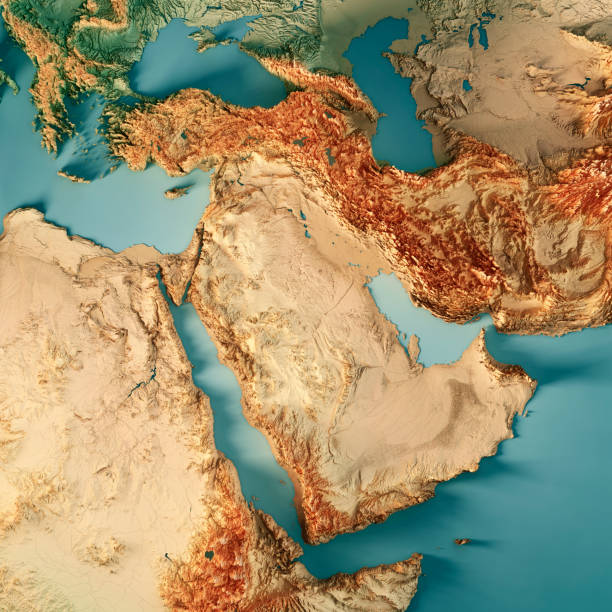
Ethiopia’s recent quest for access to the sea has significant national and geopolitical implications. Nationally, it has reignited long-suppressed public aspirations for maritime access. Gaining access to the sea contributes to alleviating the economic challenges the country has been exposed to including but not limited to high transit costs and other issues stemming from being the largest landlocked country in the world. From a strategic perspective, the pursuit of sea access also aims to address security vulnerabilities arising from the Red Sea region, including piracy, armed robbery, cross-border crimes, and terrorism. Given Ethiopia’s status as a regional economic powerhouse with one of the strongest militaries in Africa, it could play a crucial role in fostering robust regional economic and security cooperation, thereby reducing the interventionist agendas of proliferating global and regional powers in the area. However, this does not come without costs. It has also some adverse geopolitical implications resulting in heightened interstate tensions, formation of unhealthy regional alliances against Ethiopia, and, if not carefully managed, has the risk of proxy conflicts involving global and regional powers. The recent Ethiopia-Somalia tension and the formation of the Asmara-Cairo-Mogadishu axis can be significant manifestation.
Recommendations
The following can be policy alternatives that need to be carefully pursued to balance Ethiopia’s renewed interest in the Red Sea region and the subsequent geopolitical tensions;
- Heighten negotiating/bargaining power – Landlocked states have the right to negotiate for a direct or diversified access to access the sea. As a landlocked country, Ethiopia needs to maximize its ability to bargain with the neighboring coastal nations. It offers various consumer goods to littoral states in the region, including foodstuffs, freshwater, and electricity throughout the year. These goods can serve as leverages to secure either direct or diversified access to the sea or, at the very least, to obtain reduced costs for the transit of goods and services.
- Focus on diversifying access through corridor projects – Relying solely on one direct or transit access route is insufficient for Ethiopia, considering its rapidly growing economy and population. Currently, corridor projects are emerging as vital tools for overcoming geographic trade barriers. They are transforming traditional interstate trade and commercial ties by connecting various networks and infrastructures. Securing diversified access for Ethiopia is a top priority, as it leads to lower transit costs and enables the exchange of a wider range of goods to and from the international markets. This diversification enhances competitiveness of transit costs among transit providers and reduces customs-related expenses, making Ethiopia more attractive to potential transit or access providers.
- Promote regional economic and security cooperation – The Red Sea region has experienced challenges in economic and security cooperation, likely due to the lack of institutional and material capacity among its littoral states to foster regional economic integration and establish robust security partnerships. As a significant economic and military power in the region, Ethiopia possesses the necessary capability to enhance economic cooperation and address regional security vulnerabilities. Therefore, it is vital to align Ethiopia’s pursuit of sea access with broader objectives of regional economic cooperation and security alliance in the Red Sea region.
- Avoid unhealthy regional grouping/alliances – Gaining direct or diversified access to the sea for a landlocked state heavily relies on the political will and mutual benefits. Ethiopia’s pursuit of sea access has unsettling effect on littoral neighbors, who perceive it as a “threat”. This situation has led to short term interstate tensions and the formation of unhealthy regional groupings. However, prioritizing peaceful and regional solutions could provide Ethiopia with the strategic advantages in navigating these tensions. This context allows Ethiopia to gauge the reactions of its neighbors and work to prevent unhealthy alliances mushrooming the region.
- Reinstitute naval power – As one of the landlocked nations with merchant fleets operating in international trade, Ethiopia needs a strong naval presence in the Red Sea region due to the increasing maritime threats. A plot of land in either the western or eastern half of the Red Sea is essential to serve as docking point to responding to growing maritime threats. Currently, there are over 14 foreign naval bases and military facilities in the western half of the Red Sea and along the Indian Ocean coasts. Responding to maritime threats from inland is costly and naturally challenging. Therefore, a naval presence is crucial for addressing threats to Ethiopia’s merchant fleets operating in international waters and for maintaining a healthy flow of goods to and from the global market.
- Careful oversight of Red Sea regional security platforms – In response to regional maritime threats such as piracy and armed robberies, several platforms have been established that involve both littoral and non-littoral states. Some of these platforms include Ethiopia, while others do not. As a nearby non-littoral state in the Red Sea seeking direct or diversified access, it is essential to examine the intentions and objectives of these platforms particularly that exclude Ethiopia from membership. By closely monitoring these platforms, the country can better understand ongoing developments in the region and ensure that its national interests are safeguarded.
About the Author
Amare K. Aweke (PhD), Middle East Affairs Research Director General at the Institute of Foreign Affairs (IFA).
Disclaimer: The opinions stated in this article solely belong to the author and do not reflect the views or positions of the IFA